
Why Do Radon Levels Fluctuate? Daily & Seasonal Causes Explained
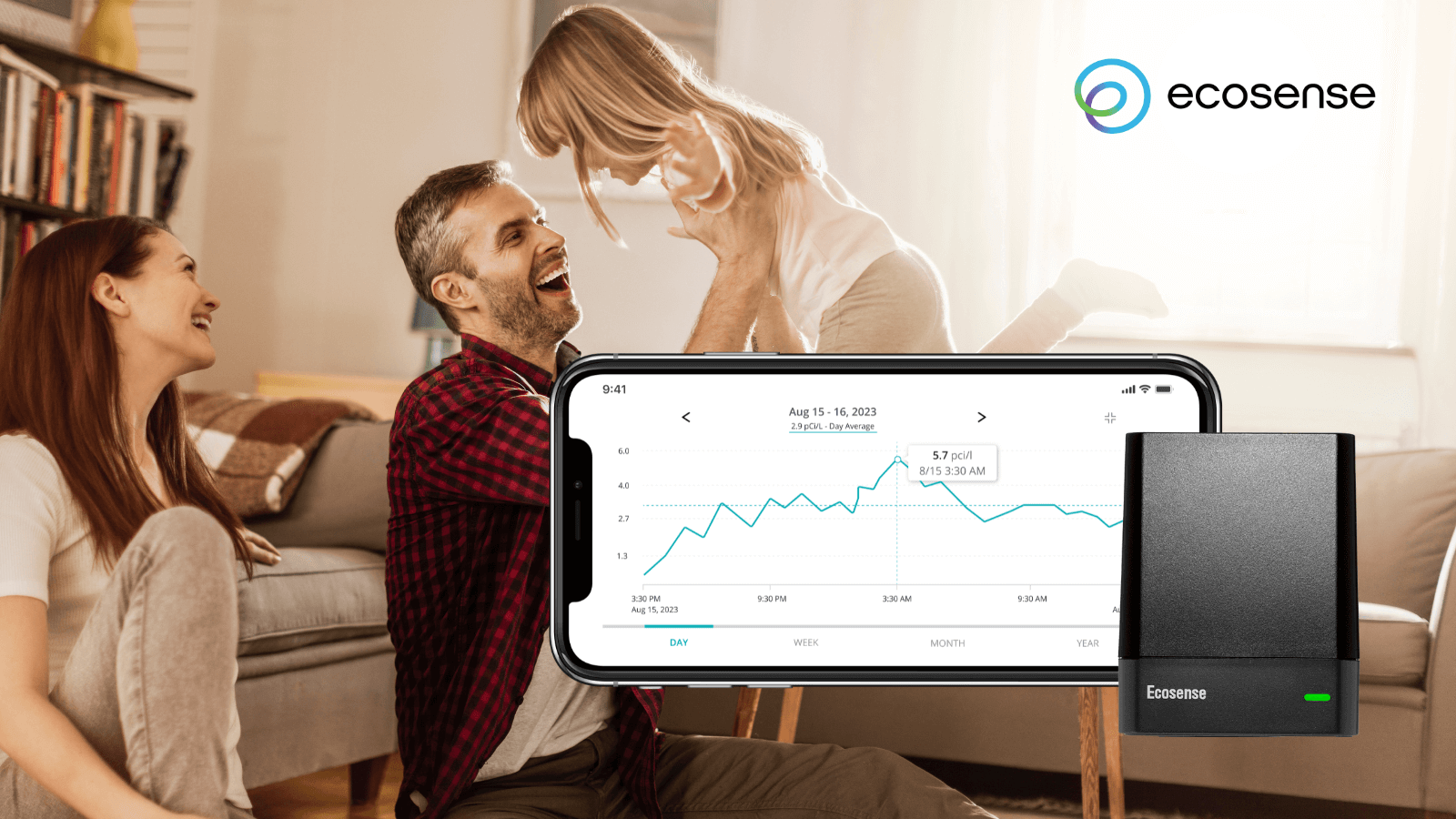
Radon levels are not constant. They can rise or fall hourly, daily, and seasonally based on weather conditions, temperature differences, home ventilation, soil moisture, and changes in air pressure.
Many homeowners are surprised to see their radon readings change from one day to the next. In reality, these fluctuations are completely normal. A home that measures low radon levels one week may experience significantly higher readings during colder weather, after heavy rain, or when ventilation patterns change.
Because radon is the second leading cause of lung cancer and the leading cause among non-smokers, understanding what causes radon to fluctuate is essential for making informed decisions about testing and mitigation. According to the U.S. Environmental Protection Agency (EPA), long-term exposure to elevated radon levels increases the risk of lung cancer, making ongoing monitoring an essential part of maintaining healthy indoor air quality.
In this guide, we'll explain what causes radon levels to change, when fluctuations are most common, and what steps homeowners can take to better understand and manage radon exposure.
Quick Answer: Why Do Radon Levels Fluctuate?
Radon levels fluctuate because changes in temperature, weather, air pressure, ventilation, and home occupancy affect how radon gas moves from the soil into a building. Levels are often highest during colder months, overnight, and during certain weather events such as heavy rain or low-pressure systems. This is why radon experts recommend long-term or continuous monitoring rather than relying on a single short-term measurement.
What Causes Radon Levels to Fluctuate?
Several environmental and structural factors influence how much radon enters a home.
-
Temperature Differences Between Indoors and Outdoors: One of the most significant causes of radon fluctuations is the temperature difference between indoor and outdoor air. During colder months, warm air rises and escapes through the upper levels of a home. This creates a pressure imbalance known as the stack effect. As indoor air escapes, the home pulls replacement air from the soil beneath the foundation, often bringing radon gas with it.
The larger the temperature difference, the stronger this effect becomes.
-
Changes in Atmospheric Pressure: Radon naturally moves from areas of higher pressure in the soil to lower pressure inside a building. When outdoor atmospheric pressure drops, often before storms or during cloudy weather, radon can enter homes more easily. These pressure changes may cause noticeable short-term increases in indoor radon levels.
-
Rain, Snow, and Soil Moisture: Many homeowners wonder whether rain affects radon levels. The answer is yes. Heavy rain can saturate the soil around a home, reducing the pathways through which radon normally escapes outdoors. As a result, more radon may be redirected toward cracks and openings in the foundation. Snow and frozen ground can create similar conditions, which is one reason radon levels are often higher during winter.
-
Ventilation and Airflow: Opening windows and doors generally lowers radon levels by increasing fresh air exchange. Conversely, tightly sealed homes with limited ventilation may experience higher radon concentrations because radon becomes trapped indoors.
-
Heating and Cooling Systems: HVAC systems can influence airflow patterns throughout a home. Depending on how air is distributed and exhausted, heating and cooling equipment may either dilute radon concentrations or contribute to pressure differences that draw more radon indoors.
When Are Radon Levels Highest?
Many homeowners ask whether radon levels rise or fall during certain times of the year.
In most homes, radon levels are highest during fall and winter.
Several factors contribute to this pattern:
-
Homes remain closed for longer periods.
-
Heating systems increase the stack effect.
-
Outdoor temperatures drop significantly.
-
Snow and frozen soil limit natural radon release outdoors.
Spring and summer often show lower average radon readings because windows are opened more frequently and indoor-outdoor temperature differences are smaller.
However, it's important to remember that high radon levels can occur during any season. This is why long-term monitoring provides a more accurate picture of exposure than a single short-term test.
Radon testing should not be approached as a one-time measurement matter. It's not a "test it and forget it" situation - it demands continuous attention and management.

Radon Daily Variations: EcoQube Data Analysis, December 3-7, 2023, Colorado.
Can Radon Levels Change From Day to Day?
Radon levels can change significantly within a single day.
Continuous radon monitors often reveal hourly fluctuations caused by:
-
Temperature changes
-
HVAC operation
-
Occupancy patterns
-
Weather events
-
Ventilation habits
It is common to see radon levels increase overnight and decrease during the day as household activity and airflow patterns change.
This is one reason why a single measurement cannot always represent a home's true radon exposure level. Long-term monitoring helps identify patterns that short-term tests may miss.
Why One Radon Test May Not Tell the Full Story
Because radon levels fluctuate naturally, a single test only captures conditions during a specific period.
For example:
|
Testing Method |
What It Shows |
|
Charcoal Test Kit |
One average reading over a few days |
|
Continuous Digital Monitor |
Ongoing trends, spikes, and long-term patterns |
A short-term result can be useful for screening, but continuous monitoring provides a clearer picture of how radon behaves inside a home over time.
This is particularly important for homeowners who experience seasonal fluctuations or want to verify that a radon mitigation system is performing effectively.
Tips for addressing radon fluctuations
Tip 1: Use Continuous Monitoring Instead of One-Time Testing
Because radon levels fluctuate throughout the day and year, continuous monitoring often provides a more complete understanding of indoor exposure than a single short-term test.
Modern digital radon monitors can track changes in real time and help homeowners identify trends related to weather, ventilation, and seasonal conditions.
Continuous radon monitors like the EcoQube, EcoBlu, EcoQube Flex, and RadonEye provide real-time tracking, allowing users to easily determine if elevated readings are temporary fluctuations or a long-term hazard.
Tip 2: Improve Ventilation When Radon Levels Spike
If you notice temporary increases in radon levels, improving ventilation may help reduce indoor concentrations in the short term.
Opening windows and increasing fresh-air exchange can help dilute indoor radon during warmer months. In colder seasons, mechanical ventilation through a properly configured HVAC or energy recovery ventilation (ERV) system may be a more practical option.
However, ventilation should be viewed as a temporary measure rather than a permanent solution for elevated radon levels. If high readings persist, additional mitigation may be necessary.
Tip 3: Seek Professional Guidance for Consistently Elevated Levels
Occasional fluctuations are normal, but recurring spikes or consistently elevated readings deserve further investigation.
A qualified radon professional can evaluate your home's construction, ventilation patterns, and foundation conditions to determine why radon levels remain high. If needed, they can recommend and install a radon mitigation system designed to reduce long-term exposure.
Professional guidance is especially valuable when radon levels remain elevated across multiple seasons or continue to exceed recommended action levels.
How a Radon Mitigation System Helps Stabilize Radon Levels
If radon levels remain elevated, a radon mitigation system is the most effective long-term solution.
Most mitigation systems use a fan and vent pipe network to safely redirect radon gas from beneath the home to the outside before it enters living spaces.
Benefits include:
-
Lower average radon levels
-
Reduced daily fluctuations
-
Improved indoor air quality
-
Long-term protection for homeowners
Even after mitigation, ongoing monitoring is recommended to verify system performance and identify any future changes.
Final Thoughts
Radon levels fluctuate constantly due to weather, temperature differences, ventilation patterns, soil conditions, and seasonal changes. These fluctuations are normal, but they can make it difficult to understand a home's true radon exposure using a single short-term test.
The most effective approach is to combine accurate testing, continuous monitoring, and mitigation when necessary. By tracking long-term trends rather than relying on one snapshot measurement, homeowners can make better decisions about indoor air quality and reduce potential health risks.
Understanding why radon levels fluctuate is the first step toward creating a safer and healthier home environment.
Frequently Asked Questions
Q. Why do radon levels fluctuate so much?
Radon levels fluctuate because of changes in weather, temperature differences between indoors and outdoors, atmospheric pressure, soil moisture, and home ventilation. These factors affect how much radon enters a home and how quickly it accumulates indoors.
Q. When are radon levels typically highest?
Radon levels are often highest during fall and winter when homes are more tightly sealed, and heating systems create pressure differences that pull more radon from the soil. However, elevated radon levels can occur during any season, which is why year-round monitoring is recommended.
Q. Can radon levels change from one day to the next?
Yes. Radon levels can change significantly within hours or days due to weather events, rainfall, ventilation patterns, and occupancy habits. Continuous monitoring often reveals fluctuations that short-term tests may not capture.
Q. Does rain increase radon levels?
Heavy rain can temporarily increase radon levels. When soil becomes saturated, radon gas may be redirected toward a home's foundation instead of escaping through the ground surface, leading to higher indoor concentrations.
Q. Will a radon mitigation system stop fluctuations completely?
A radon mitigation system can significantly reduce radon levels and make them more stable, but some natural fluctuations may still occur. Continuous monitoring helps verify that the system is working effectively and maintaining safe indoor levels.
Great post! Radon levels can fluctuate due to changes in weather, ventilation, and even the season. Factors like temperature, pressure differences, and how often windows are opened all affect how much radon enters your home. Understanding this helps ensure accurate testing and better safety measures. Thanks for explaining!
Great question! Radon levels fluctuate due to factors like weather, temperature, and air pressure. For example, high winds, rainfall, or changes in barometric pressure can affect radon entry into a home. Regular testing is key to keeping track of these fluctuations and ensuring safety.
Radon levels fluctuate due to factors like weather, ventilation, and air pressure. Cold weather, for example, can trap radon indoors, while wind and rain affect how it moves through the soil. Regular testing helps track these changes for accurate results.
My radon detector was reading 2.1 for a week, now it’s reading 4.1 for 3 days, is this normal?
Great blog! Radon levels fluctuate due to weather, seasons, and home ventilation changes. It’s important to monitor regularly to stay safe.